
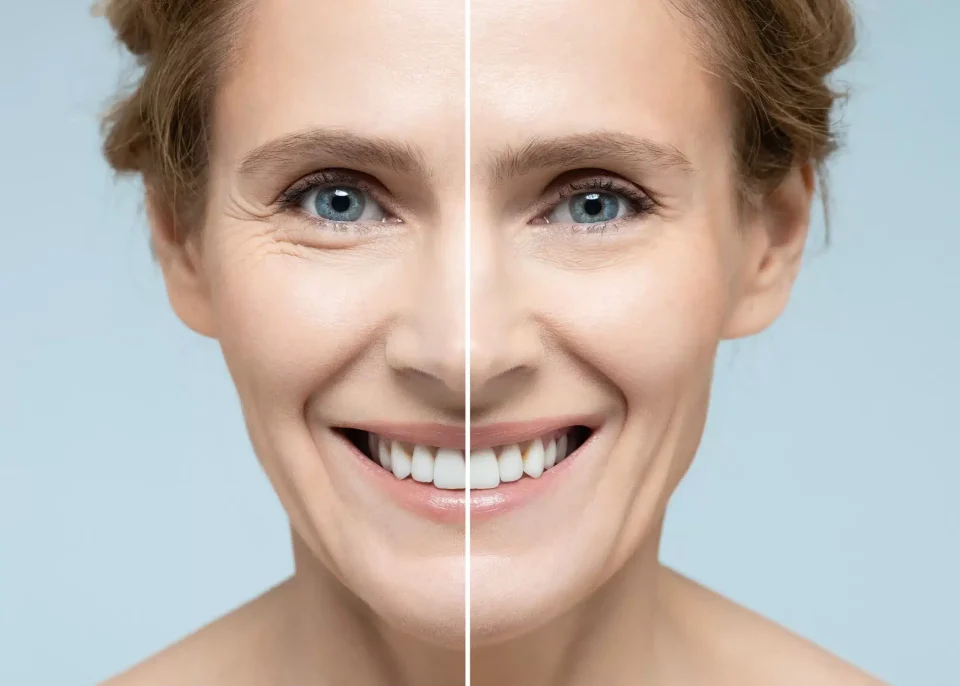
Aging is inevitable, but the way your skin ages does not have to be. For anyone who has glanced in the mirror and tugged gently at sagging skin, the surge of non-invasive treatments like laser skin tightening offers a glimmer of hope. Could high-tech energy be the missing ingredient in your quest for firm, youthful skin?
What Is Laser Skin Tightening and How Does It Work?
Laser skin tightening uses focused light energy to gently heat the deeper layers of your skin, prompting your body to produce more collagen. Collagen is the protein responsible for skin’s elasticity and structure, which naturally diminishes with age. By recruiting your own biology, these treatments offer tightening without needles or surgery.
The Science Behind Laser Technology for Skin
Lasers work by targeting water molecules or pigment in the skin. When the tissue absorbs the laser energy, a controlled injury occurs beneath the surface. This triggers the body’s natural repair response, leading to thicker, tighter, and smoother skin over time.
Differences Between Ablative and Non-Ablative Lasers
Ablative lasers remove the outer layer of skin, delivering dramatic resurfacing but requiring more downtime. Non-ablative lasers, on the other hand, leave the surface intact and focus their energy on the deeper dermis. This means less recovery, fewer side effects, and subtle but noticeable tightening with repeated treatments.
How Lasers Stimulate Collagen Production
The heat from a laser stimulates fibroblasts, which are cells in the dermis responsible for creating new collagen. With more collagen, the skin’s scaffolding becomes stronger, resulting in a firmer, smoother appearance, often with just a mild redness for a day or two.
Who Can Benefit from Laser Skin Tightening?
Most adults noticing mild to moderate skin laxity are candidates for laser tightening. The ideal patient has some elasticity left in their skin and realistic expectations about gradual improvement.
Ideal Skin Types and Conditions
Thanks to advances like LaseMD Ultra™, non-ablative lasers are now safe for all skin tones, including darker types that once risked pigmentation issues. Common targets include loose skin on the face, neck, and body, mild jowling, or early signs of aging.
Age and Skin Concerns Addressed
Laser skin tightening is best for those in their 30s to 60s with early to moderate sagging, fine lines, or textural changes. Deep wrinkles or severe laxity may require alternatives, but younger patients are increasingly seeking laser treatments as a preventive measure.
Contraindications and Cautions
Pregnant individuals, those with active skin infections, or people prone to keloid scars should consult closely with a specialist before pursuing treatment. Always discuss your medical history to ensure laser therapy is safe for you.
What Are the Different Types of Laser Skin Tightening Treatments?
Montreal’s advanced clinics offer a spectrum of options, each with distinct technology and goals.
Non-Ablative Options: LaseMD Ultra™, Laser Genesis®, IPL
LaseMD Ultra™ and Laser Genesis® deliver steady, gentle heat for subtle tightening and improvement in tone and texture. Intense Pulsed Light (IPL) incorporates broad-spectrum energy to target discoloration alongside tightening.
Fractional and Microneedling Lasers: Secret™ Pro, RF Microneedling
Fractional lasers such as Secret™ Pro create microscopic columns in the skin, triggering a stronger repair response while sparing surrounding tissue. RF microneedling combines radiofrequency energy with tiny needles to stimulate even deeper collagen remodeling.
Specialized Technologies: Fotona® 3D/4D, Venus Legacy™
Fotona® 3D/4D uses layered approaches for full-face lifting, while Venus Legacy™ brings together multipolar radiofrequency and magnetic pulses to tighten and contour both face and body.
How Does Laser Skin Tightening Compare to Other Non-Invasive Treatments?
With so many buzzworthy technologies available, how do lasers stack up against other options?
| Treatment Type | Main Mechanism | Typical Uses | Downtime |
|———————–|—————————–|————————–|———–|
| Laser (e.g., LaseMD) | Light energy/collagen boost | Tightening, resurfacing | Minimal |
| Radiofrequency (RF) | Deep heat/collagen boost | Tightening, contouring | None |
| PRP/Stem Cells | Biological regeneration | Texture, healing | None |
| Plasma (PSR) | Energy plasma/ablation | Resurfacing, tightening | 3-7 days |
Lasers are often the first choice for surface tightening and texture, while RF and plasma can target deeper tissues or specific concerns. Some clinics, such as those offering Clinique Anti Aging laser skin tightening, have protocols that combine these methods for optimal results.
What to Expect During and After a Laser Skin Tightening Session?
A typical session lasts 30-60 minutes, with a cooling gel applied first to reduce discomfort. Patients often describe the sensation as a gentle warming or snapping feeling.
Redness and mild swelling are common for a few hours to a day. Most people can return to normal activities immediately, making it a true lunchtime procedure. Results appear gradually over several weeks as new collagen forms, with maintenance treatments recommended every 6-12 months.
How Effective Is Laser Skin Tightening?
Patient satisfaction is generally high, especially when expectations are realistic. Mild to moderate tightening is achievable, with improvements in skin texture and tone as added benefits.
Results can last up to a year or more, depending on age, skin condition, and post-care. Those with more advanced sagging may eventually seek surgical options, but lasers can postpone or even negate the need for more invasive procedures.
How to Choose the Right Clinic and Laser Treatment?
Not all lasers are created equal, nor are all practitioners. Ask about the technology used, the experience of the provider, and whether the clinic creates tailored treatment plans. Top clinics employ the latest devices and integrate them with other therapies for the most natural results.
Preparing for Your Laser Skin Tightening Treatment
In the days before your appointment, avoid sun exposure and certain medications like retinoids or blood thinners. After treatment, use gentle skincare and sunscreen, and skip intense workouts for a day or two. Set realistic goals with your provider, and remember that the journey to firmer skin is a partnership built on trust and expertise.
If you are ready to explore a future with tighter, healthier skin, the new wave of non-invasive laser treatments might be exactly what your routine needs.
