
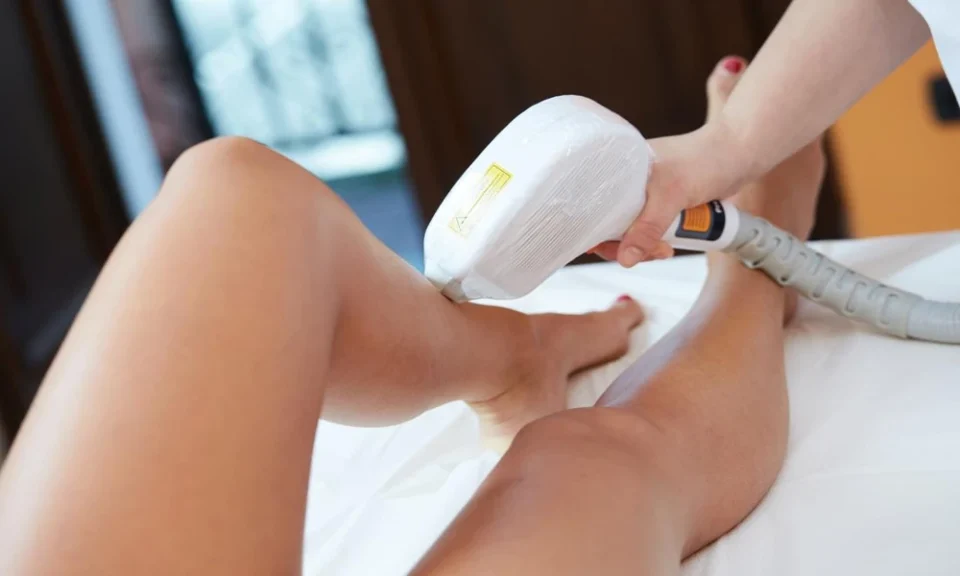
Why Lower Leg Laser Hair Removal Has Become Standard
The lower leg is one of the most straightforward body areas for laser hair removal and one of the most commonly treated. The skin-to-hair contrast is typically favorable – fair to medium skin tones with dark hair present optimal conditions for the technology, though current laser systems handle a broader range of skin tones and hair colors than earlier generations. The treatment area is easily accessible, the hair density responds predictably across multiple sessions, and the area’s visibility during warmer months provides consistent motivation for treatment completion.
Shaving the lower legs is among the most time-intensive grooming routines for women who do it regularly. The cumulative time investment across years, combined with the ongoing cost of razors and the common problem of ingrown hairs and razor bumps in sensitive skin, makes the cost-benefit calculation for laser treatment favorable for many patients when evaluated honestly over a five-year horizon rather than against the immediate session cost.
The technology works by targeting the melanin in the hair follicle with concentrated light energy that heats and damages the follicle’s capacity to produce hair. Womens lower legs laser hair removal treatments require multiple sessions because hair grows in cycles, and the laser is only effective on follicles in the active growth phase at the time of treatment.
The Treatment Process and What to Expect
Most patients require 6 to 8 sessions spaced 6 to 8 weeks apart to achieve significant hair reduction on the lower legs. The spacing follows the hair growth cycle – the interval allows the next generation of follicles to enter the active growth phase where they are vulnerable to laser treatment. Sessions completed at irregular intervals or with longer gaps between them are less effective than those following the recommended schedule.
The sensation during treatment has improved significantly as technology has advanced. Modern systems with integrated cooling surfaces or cold air cooling manage the heat sensation so that most patients describe the treatment as a mild snapping or warmth rather than significant pain. Individual pain tolerance varies, and the first session is typically the most uncomfortable as the patient has no baseline for the sensation; subsequent sessions are usually described as more manageable.
Shaving the treatment area 1 to 2 days before each session removes the visible hair shaft while leaving the follicle intact for the laser to target. Waxing, plucking, or any method that removes the follicle itself rather than cutting the shaft should be avoided for at least 4 weeks before treatment.
American Academy of Dermatology provides patient guidance on laser hair removal preparation, aftercare, and what to look for when selecting a provider – including the importance of sun avoidance before and after sessions to reduce reaction risk.
Results, Maintenance, and Long-Term Value
Most patients achieve 70 to 90 percent permanent hair reduction after a complete initial treatment course. The remaining hair is typically finer and lighter than the original growth, and the remaining follicles can be addressed in occasional maintenance sessions. The common experience is a transformation from daily shaving to occasional maintenance treatments once or twice yearly at most.
The long-term cost comparison with ongoing shaving – including razors, shaving products, and the time cost of the routine – typically makes laser hair removal cost-neutral or cost-positive over a five to seven year period, depending on the frequency of prior shaving and the price of the laser treatment. This calculation shifts more favorably toward laser treatment as the patient’s age at treatment is younger, since the long-term comparison period is longer.
