
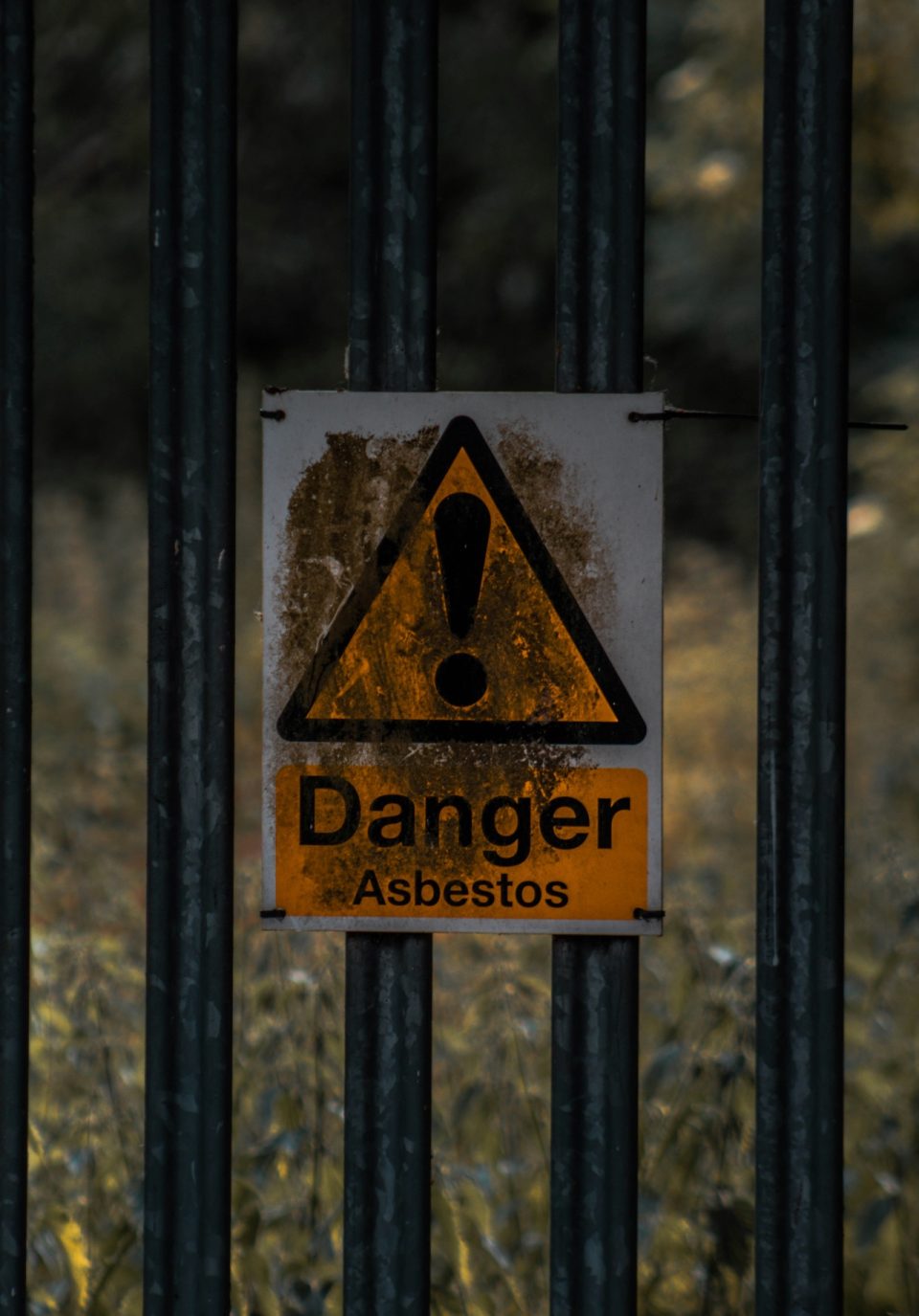
Mesothelioma remains one of the most devastating occupational diseases in American history, affecting thousands of workers who were exposed to asbestos decades ago in industries that relied heavily on this toxic mineral. While asbestos use has declined dramatically since the 1970s, occupational exposure continues to pose risks for workers in certain trades, particularly those involved in renovation, demolition, and maintenance of older buildings and equipment. Understanding which occupations carry the highest risk of asbestos exposure is crucial for protecting current workers and ensuring that those diagnosed with mesothelioma receive the medical care and compensation they deserve.
The Scope of Occupational Asbestos Exposure in America
Between 1940 and 1979, approximately 27 million Americans experienced asbestos exposure at work, creating a public health crisis that continues to unfold today. According to the Centers for Disease Control and Prevention, roughly 70 percent of all mesothelioma cases result from workplace exposure, making occupational asbestos contact the single most common cause of this aggressive cancer. From 1999 to 2020, more than 54,900 people died from mesothelioma in the United States, with the vast majority of these deaths linked to jobs where asbestos was prevalent.
The latency period for mesothelioma typically ranges from 10 to 50 years after initial exposure, meaning workers who handled asbestos products in the 1970s and 1980s are only now being diagnosed with this disease. The average age of people diagnosed with mesothelioma due to occupational exposure is 67, and pleural mesothelioma accounts for approximately 90 percent of work-related cases. This long delay between exposure and diagnosis creates unique challenges for workers who may not connect their current illness with jobs they held decades earlier.
Studies examining mesothelioma cases have found that occupational asbestos exposure causes between 90 and 92 percent of all diagnoses globally. A collaborative study by the Departments of Pathology at Georgetown University and Duke University analyzed 1,445 malignant mesothelioma cases and found that approximately 90 percent resulted from occupational exposure, with most of the remaining 10 percent attributed to secondary exposure from family members who brought asbestos fibers home on their clothing. For workers who developed this devastating disease through no fault of their own, organizations providing comprehensive information about asbestos-related illnesses offer crucial guidance on treatment options and legal rights.
Shipyard Workers Face the Highest Mesothelioma Risk
Shipyard workers historically faced the most dangerous levels of asbestos exposure of any occupation in America. The Centers for Disease Control has identified shipbuilding and ship repair as having the highest mortality rate from malignant mesothelioma among all occupations studied. Ships constructed from the 1930s through the 1980s contained massive quantities of asbestos in insulation, pipes, boilers, engine rooms, and countless other components, as the material’s heat resistance and fireproofing properties made it seem ideal for marine applications.
Workers who built, repaired, or dismantled ships encountered asbestos daily, often in confined spaces with poor ventilation where asbestos fibers could reach extremely high concentrations. Shipfitters, pipefitters, welders, electricians, machinists, boiler technicians, and insulators working in shipyards handled or worked near asbestos materials constantly. Even workers not directly installing asbestos products faced exposure as nearby work activities released fibers into the air. Research shows that people working aboard ships have more than double the risk of developing mesothelioma compared to individuals without this type of exposure.
The danger persists today for shipyard workers involved in decommissioning, renovating, or salvaging older vessels. When aging ships are repaired, dismantled, or salvaged after accidents, asbestos-containing materials can release dangerous fibers into the air. According to the National Institute for Occupational Safety and Health, shipyard workers’ injury and illness rates are nearly double those of the entire United States workforce, with shipyard laborers facing the highest work-related health risks among all maritime occupations. Multiple lawsuits have resulted in multimillion-dollar jury verdicts for shipyard workers who developed mesothelioma, with settlements reaching $5.5 million in Washington and $3.4 million in California for individual workers.
For those seeking detailed information on how shipyard exposure leads to mesothelioma, understanding the specific products and work environments involved is essential for both medical treatment and pursuing compensation from the manufacturers of asbestos-containing products used in shipbuilding.
Construction Workers Continue Facing Legacy Asbestos Risks
The construction industry represents another major source of mesothelioma cases, with approximately 1.3 million construction workers currently exposed to asbestos each year. Throughout the 20th century, the construction sector used between 70 and 80 percent of all asbestos consumed in the United States, incorporating it into floor tiles, roofing materials, ceiling tiles, pipe insulation, drywall compounds, cement products, adhesives, and vinyl siding. CDC data reveals that more than 14 percent of all mesothelioma deaths between 1999 and 2012 occurred among construction workers.
Italian data from the National Mesothelioma Registry documented 2,310 mesothelioma cases between 1993 and 2018 where exposure occurred exclusively in the construction sector. Analysis of these cases by job title found the highest certain exposure levels among insulators, plumbers, carpenters, mechanics, bricklayers, electricians, machine operators, plasterers, building contractors, painters, and laborers. Research in Ontario, Canada found a hazard ratio of 2.38 for mesothelioma among construction workers compared to other occupations, with particularly elevated rates for insulators, pipefitters, plumbers, and carpenters.
What makes construction work particularly dangerous today is legacy asbestos, meaning asbestos materials installed decades ago that still exist in older structures. When construction workers renovate, repair, or demolish buildings constructed before 1980, they risk disturbing asbestos-containing materials that have aged and become friable, meaning the materials can easily crumble and release fibers. Cutting, sanding, drilling, or simply moving old materials can generate clouds of microscopic asbestos fibers that workers inhale.
Workers in specific construction trades face varying levels of risk depending on how frequently they encounter asbestos. Insulators who removed or installed insulation materials experienced some of the most intense exposures. Plumbers and pipefitters working on water supply and waste systems regularly encountered asbestos pipe insulation and cement pipes. Electricians dealt with asbestos materials used for fireproofing around wiring. Even workers in seemingly lower-risk trades like carpentry and painting could be exposed when working near colleagues who disturbed asbestos materials or when demolishing walls and ceilings containing asbestos products.
Industrial and Manufacturing Workers Face Multiple Exposure Sources
Workers in industrial settings and manufacturing plants encountered asbestos in numerous forms. Chemical plants, refineries, power generation facilities, and factories used asbestos extensively to insulate equipment, protect against fires, and provide heat resistance in high-temperature processes. Maintenance workers at these facilities face elevated mesothelioma risk compared to other employees, as their jobs often required working with aging asbestos insulation on pipes, boilers, furnaces, and other equipment.
One study analyzing cancer risk among oil refinery workers in Italy found that after 20 years of employment, workers had a 71 percent increased risk of developing pleural mesothelioma. Power plant workers dealt with asbestos in turbine insulation, gaskets, and protective equipment. Factory workers who manufactured asbestos products themselves faced extraordinarily high exposure levels. Workers in plants that produced asbestos goods had a 244 percent higher risk of dying from throat or lung cancer compared to the general population, representing one of the most dangerous occupational exposures documented.
Auto mechanics represent another occupation with significant asbestos exposure risk. For decades, brake linings, clutch facings, and other friction materials in vehicles contained asbestos for its heat-resistant properties. When mechanics performed brake jobs, ground down clutch surfaces, or cleaned parts with compressed air, they generated clouds of asbestos dust. While asbestos brake components are less common today, mechanics working on older vehicles or in salvage operations may still encounter these materials.
Railroad workers also faced asbestos exposure from materials used in constructing railcars through the 1970s. The railroad industry employs roughly 165,000 Americans, nearly 20 percent of whom are veterans, creating potential dual exposure scenarios for workers who encountered asbestos both in military service and civilian employment. As asbestos-contaminated railcars age and deteriorate, the risk of airborne fiber release increases, particularly for maintenance and repair personnel.
Access to financial resources for asbestos-related disease treatment helps workers and their families manage the considerable costs associated with mesothelioma care while pursuing compensation from the companies whose products caused their illness.
First Responders and Emergency Personnel at Risk
Firefighters face nearly double the mesothelioma risk of the general population due to repeated exposure to asbestos fibers released when buildings burn. A 2013 study by the National Institute for Occupational Safety and Health found that firefighters had significantly higher rates of asbestos-related cancers including mesothelioma. When structures containing asbestos materials burn or collapse, massive quantities of asbestos fibers can become airborne, and firefighters inhale these fibers while battling blazes or conducting search and rescue operations in damaged buildings.
Beyond immediate fire response, firefighters may encounter asbestos when inspecting buildings, conducting fire safety checks, or responding to structure collapses unrelated to fires. The cumulative exposure from multiple incidents throughout a firefighting career creates substantial mesothelioma risk. Long-term respiratory conditions such as occupational asthma are common among current and retired firefighters, and the combination of smoke inhalation damage with asbestos exposure may compound health risks.
Other first responders including paramedics, emergency medical technicians, police officers, and search and rescue personnel sometimes work in areas with heavy asbestos contamination. When buildings collapse due to natural disasters, explosions, or structural failures, first responders entering damaged structures to rescue victims or secure the scene can be exposed to asbestos dust from damaged building materials. The terrorist attacks on September 11, 2001, created enormous asbestos exposure for thousands of first responders and recovery workers at Ground Zero in New York City, leading to numerous mesothelioma cases in the years that followed.
Secondary Exposure Puts Families at Risk
One often-overlooked aspect of occupational asbestos exposure is the risk it poses to workers’ family members through secondary or household exposure. When workers handled asbestos products, microscopic fibers clung to their hair, skin, clothing, and shoes. Upon returning home, these workers unknowingly carried asbestos into their households, where family members could inhale fibers shaken from work clothes during laundering, released from work boots left by the door, or transferred through hugs and physical contact.
Studies of Los Angeles County shipyard workers and their families revealed that between 2 and 7 percent of workers’ children eventually developed asbestosis, while 11 percent of wives showed signs of pulmonary disease despite never working with asbestos themselves. This form of exposure has led to mesothelioma diagnoses in spouses who did the laundry, children who greeted parents home from work, and other family members who lived in contaminated households. The tragedy of secondary exposure is that family members developed a fatal disease without ever choosing to work in a hazardous occupation or receiving any compensation for the risks they unknowingly faced.
Legal claims related to secondary asbestos exposure have established that companies knew or should have known their products posed risks not only to workers but also to family members, yet failed to provide adequate warnings. Survivors of mesothelioma victims who developed the disease through household exposure may be eligible for compensation through wrongful death claims or asbestos trust fund claims on behalf of their deceased loved ones.
Current Workplace Safety Regulations and Protections
Federal regulations now strictly limit occupational asbestos exposure, though enforcement and compliance remain ongoing challenges. The Occupational Safety and Health Administration first regulated workplace asbestos in the 1970s and has since established comprehensive requirements for employers whose workers may encounter asbestos. OSHA’s current permissible exposure limit is 0.1 fiber per cubic centimeter of air averaged over an eight-hour workday, though many experts argue that no level of asbestos exposure is truly safe.
OSHA regulations require employers to conduct air monitoring when workers may be exposed to asbestos at or above the action level of 0.05 fibers per cubic centimeter. Employers must implement engineering controls and work practices to reduce exposure, provide respiratory protection when controls alone cannot reduce exposure below the permissible limit, and offer medical surveillance including chest X-rays and pulmonary function tests for workers exposed above certain thresholds. All asbestos-containing materials must be properly labeled, and workers must receive training about asbestos hazards and safe work practices.
The Environmental Protection Agency regulates asbestos through the Clean Air Act and has designated it a hazardous air pollutant. The EPA created the Asbestos Hazard Emergency Response Act specifically to regulate asbestos in schools, protecting students, teachers, and staff from exposure. This act requires schools to inspect for asbestos-containing materials, develop management plans, and take appropriate action to control any asbestos hazards found.
Despite these regulations, workers continue facing asbestos exposure risks. Construction and renovation work on pre-1980 buildings remains a major source of exposure, as does maintenance of older industrial equipment. Asbestos abatement workers who specialize in removing asbestos materials face occupational exposure despite protective equipment and safety protocols. Studies in Italy examining asbestos fiber concentrations during removal and disposal work between 1996 and 2013 found that many construction workers had exposure levels above the action limit established by national legislation, with some cases exceeding current EU limits.
Accessing comprehensive guides to mesothelioma and asbestos disease helps workers understand their rights, recognize symptoms of asbestos-related illnesses, and take appropriate action if they believe they’ve been exposed on the job.
Pursuing Compensation for Occupational Mesothelioma
Workers diagnosed with mesothelioma due to occupational asbestos exposure have multiple avenues for pursuing compensation. Many states provide workers’ compensation benefits for occupational diseases, though these programs typically provide limited compensation compared to other legal options. Workers’ compensation generally covers medical expenses and lost wages but does not compensate for pain and suffering or provide the substantial awards that lawsuits or asbestos trust fund claims can deliver.
Most mesothelioma patients pursue compensation directly from the companies that manufactured or sold the asbestos-containing products that caused their exposure. Thousands of companies have been sued for asbestos-related injuries, and more than 60 have filed for bankruptcy protection due to the volume of claims. These bankrupt companies were required to establish asbestos trust funds to compensate future claimants, and these trusts currently hold billions of dollars designated specifically for mesothelioma victims and their families.
Filing successful claims requires identifying which specific asbestos products a worker encountered, when and where the exposure occurred, and which companies manufactured those products. Experienced mesothelioma attorneys maintain extensive databases of information about asbestos products used in various occupations and industries, work sites where asbestos was present, and the companies responsible for manufacturing or distributing specific products. This detailed documentation proves essential for establishing legal liability and securing compensation.
It’s important to understand that filing lawsuits or trust fund claims does not involve suing your former employer or the military. These legal actions target the negligent asbestos product manufacturers who knew about the dangers of asbestos but failed to warn workers or provide adequate safety information. Many of these companies actively concealed evidence of asbestos hazards from workers, employers, and the public for decades, prioritizing profits over human health and safety.
Organizations offering support for mesothelioma patients connect workers with experienced legal teams who can evaluate potential claims at no cost and pursue compensation on a contingency basis, meaning patients pay nothing unless they recover compensation. Average settlements for mesothelioma cases exceed one million dollars, while jury verdicts can reach five million dollars or more depending on the circumstances of the case.
Taking Action After Occupational Asbestos Exposure
Workers who believe they may have been exposed to asbestos during their careers should take several important steps to protect their health and preserve their legal rights. First, discuss your occupational history with your primary care physician and ask about screening for asbestos-related diseases. While no screening test can detect mesothelioma before symptoms appear, chest X-rays and CT scans can identify pleural plaques or other markers of asbestos exposure that may indicate elevated risk.
If you develop persistent respiratory symptoms such as shortness of breath, chest pain, persistent cough, or unexplained weight loss, seek medical evaluation immediately. Early diagnosis of mesothelioma, while still rare, can significantly expand treatment options and improve outcomes. Be sure to inform your doctors about any history of occupational asbestos exposure, as this information helps them recognize warning signs and pursue appropriate diagnostic testing.
Document your work history in as much detail as possible, including dates of employment, job duties, specific products you worked with, and any incidents where you encountered visible asbestos dust or fibers. This documentation proves invaluable if you later develop mesothelioma and need to file a legal claim. Coworkers who shared similar exposures can serve as witnesses to support your account of workplace conditions and asbestos use.
Current workers who discover asbestos in their workplace should notify their employer immediately and file a complaint with OSHA if proper safety protocols are not followed. Workers have the right to refuse dangerous work under certain circumstances and cannot be legally retaliated against for raising safety concerns. If your employer fails to address asbestos hazards appropriately, OSHA can conduct inspections and enforce compliance with safety regulations.
For workers diagnosed with mesothelioma or other asbestos-related diseases, prompt legal consultation is essential. Statutes of limitations restrict how long you have to file claims after diagnosis, and gathering evidence becomes more difficult as time passes. Most mesothelioma law firms offer free consultations and work on contingency, removing financial barriers to pursuing the compensation you deserve for an occupational disease you never should have faced.
Conclusion
Occupational asbestos exposure remains the leading cause of mesothelioma in America, affecting workers in shipyards, construction, manufacturing, firefighting, and numerous other industries. While regulations have reduced workplace asbestos risks, legacy asbestos in older buildings and equipment continues threatening workers’ health decades after the material’s dangers became widely known. Understanding which occupations carry the highest risks, recognizing the symptoms of asbestos-related diseases, and knowing your rights to compensation are essential steps for protecting yourself and your family from the devastating consequences of workplace asbestos exposure. With proper medical care, legal representation, and comprehensive support, workers diagnosed with mesothelioma can access the treatment they need while holding negligent corporations accountable for the harm they caused.
