

Pain is our body’s way of signaling that something isn’t quite right. Yet, for many people, that signal goes unanswered, not because they ignore it, but because the pain itself is elusive, difficult to describe, or dismissed by healthcare providers. This phenomenon is often linked to what are known as “silent pain zones,” where aches or conditions are overlooked or misdiagnosed.
But why does this happen, and how can you make sure your pain is taken seriously?
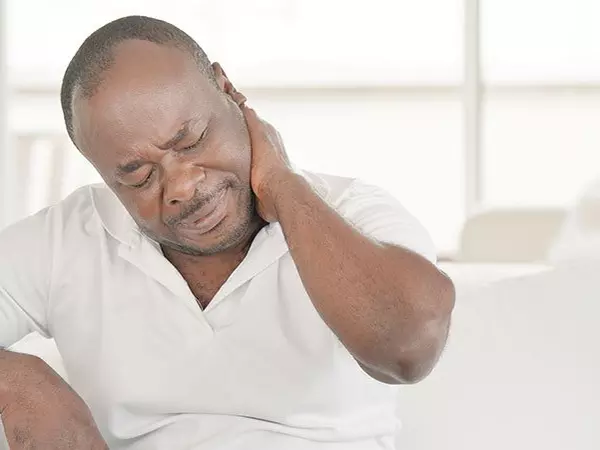
The Challenge of Silent Pain Zones
Silent pain zones are areas or conditions where pain manifests subtly or without clear cause, making it harder to detect or diagnose. Unlike a sprained ankle or a visible bruise, these types of pain offer no obvious evidence or immediate explanation. That’s part of the challenge healthcare providers face in identifying and treating them.
Vague or Overlapping Symptoms
Many conditions present symptoms that are non-specific or overlap with other issues. For example, chronic fatigue syndrome, fibromyalgia, and autoimmune diseases often include generalized pain or discomfort. These symptoms can mimic other conditions, making it harder for doctors to pinpoint the root cause.
Lack of Visible Injury
Pain is often expected to stem from a noticeable injury, like a cut, fracture, or swelling. When this isn’t the case, patients may feel dismissed, as though their pain is invalid. For example, tension headaches, migraines, or nerve-related pain might leave no outward signs, yet they can deeply disrupt a person’s life.
Complex Conditions
Certain health issues, such as endometriosis, Lyme disease, or neuropathic pain, involve intricate interactions within the body. They don’t follow the clear-cut patterns that make diagnosis straightforward. This complexity can lead to delays in identifying and addressing the true source of discomfort.
Psychological Factors
Emotionally driven conditions or stress-related pain can also go undiagnosed. Patients experiencing physical symptoms from anxiety or depression may have their pain attributed to these mental health conditions without a comprehensive exploration of other possible causes.
Medical Bias or Time Constraints
It’s an unfortunate truth that some patients, particularly women, ethnic minorities, or those with chronic issues, may encounter bias in medical care. Their symptoms might be dismissed as “exaggeration” or “overthinking.” In addition, short appointment durations can leave little time for patients to adequately explain their pain or for doctors to investigate thoroughly.
Why Advocacy is Critical for Your Health?
The key to tackling undiagnosed pain lies in becoming an advocate for your own health. You know your body better than anyone else, and if something feels off, it’s vital to trust your instincts and speak up.
Here’s how you can do it effectively:
Document Symptoms Thoroughly
Keep a pain journal to track when the symptoms occur, how severe they are, and any patterns you notice. Include details like what exacerbates or alleviates the pain. This information provides valuable clues for your doctor.
Ask Questions and Push for Answers
If you feel your concerns are being dismissed, don’t hesitate to ask your doctor about further tests or specialist referrals. Sometimes a second opinion can make all the difference in getting a correct diagnosis.
Be Persistent
If pain persists and you don’t feel heard, continue to seek help. Advocate for imaging, blood tests, or a referral to a pain specialist. Trust in your body’s signals and keep pressing until you see progress.
Build a Support Team
Share your concerns with trusted family members or friends who can advocate for you if necessary. Emotional validation and support during appointments can empower you to assert yourself more effectively.
Conclusion
Pain that goes undiagnosed can be deeply frustrating, but it doesn’t have to be a permanent roadblock to your well-being. By understanding why certain pain may be overlooked and taking active steps to advocate for your health, you can help ensure that your concerns are addressed with the seriousness they deserve.
